
Cape Moreton Lighthouse
Cape Moreton was the first lighthouse to be built in Queensland, but was not the first lighthouse built by the Queensland government, indeed it was built as a New South Wales light in 1857 before Queensland became a separate colony.
History
It was built because of the increasing traffic to the northern coast , but for a long time was the only light on the 3,236 miles of coastline.
The entrance into Moreton Bay, near the island, is scattered with wrecks that attest the notoriousness of the bay.
The tower is constructed of sandstone quarried on the island. It stands on a rare rocky promontory on a sand island.
The tower was extended in 1928 and is now 23 metres.
The original light source oil wick. It was converted in in 1930 to pressurised acetylene gas. This installation did not continue for long as in 1937 the apparatus was converted to 240v electricity. Solar conversion took place in 1993.
The lighthouse is on the northern point of Moreton Island. On the west side of the island is Tangalooma which was also once home to Queensland’s first and only whaling station from 1952 to 1962.
This former whaling station has now been converted to a small resort and caters mainly for day trippers from Brisbane.
On 1 July 1915, Cape Moreton passed from State to Federal control.
continued below …
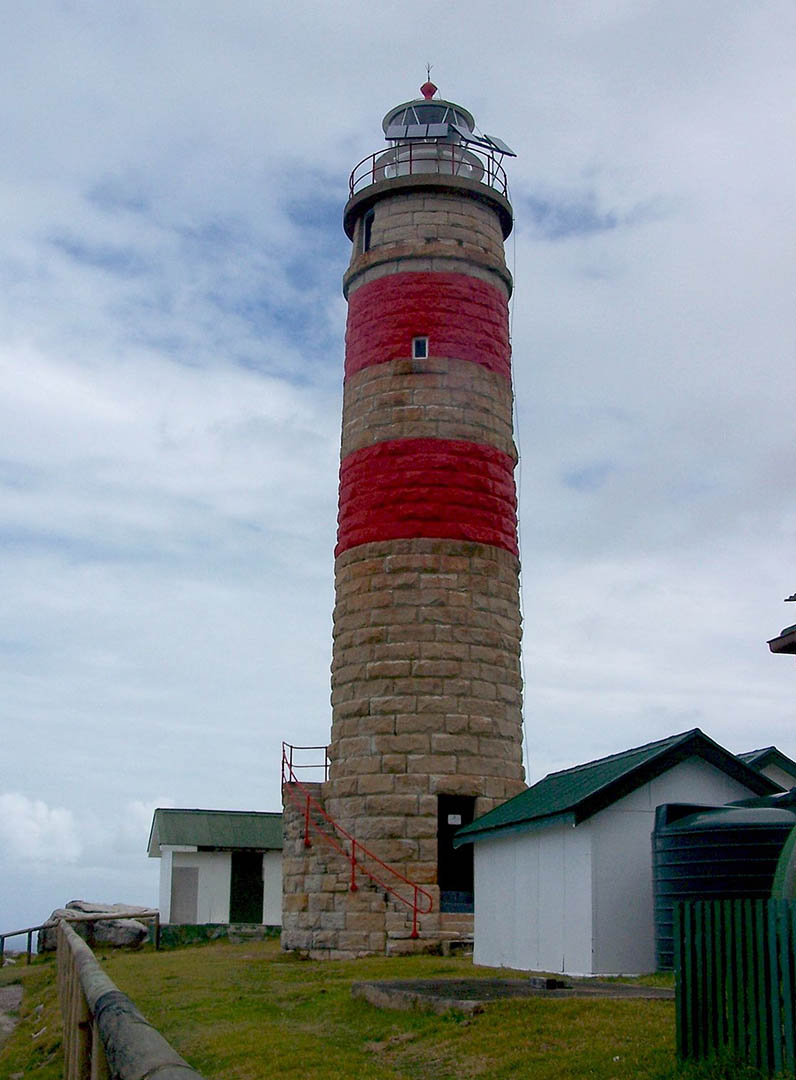
Image:Phillip Rickerby
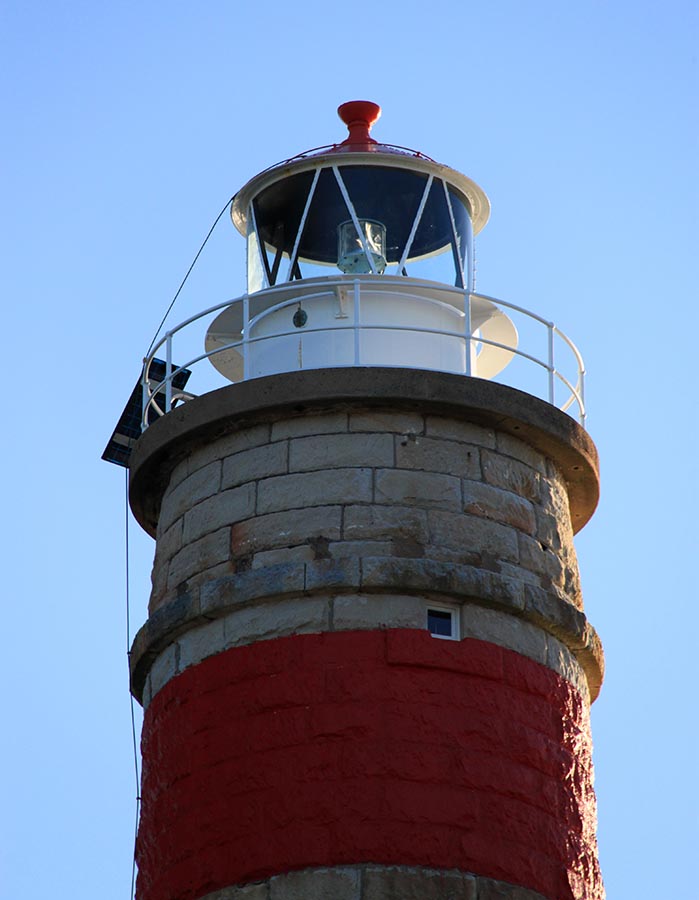
Image: Dirk Selderyk

Image: Dirk Selderyk

Image: Dirk Selderyk

Image: Dirk Selderyk
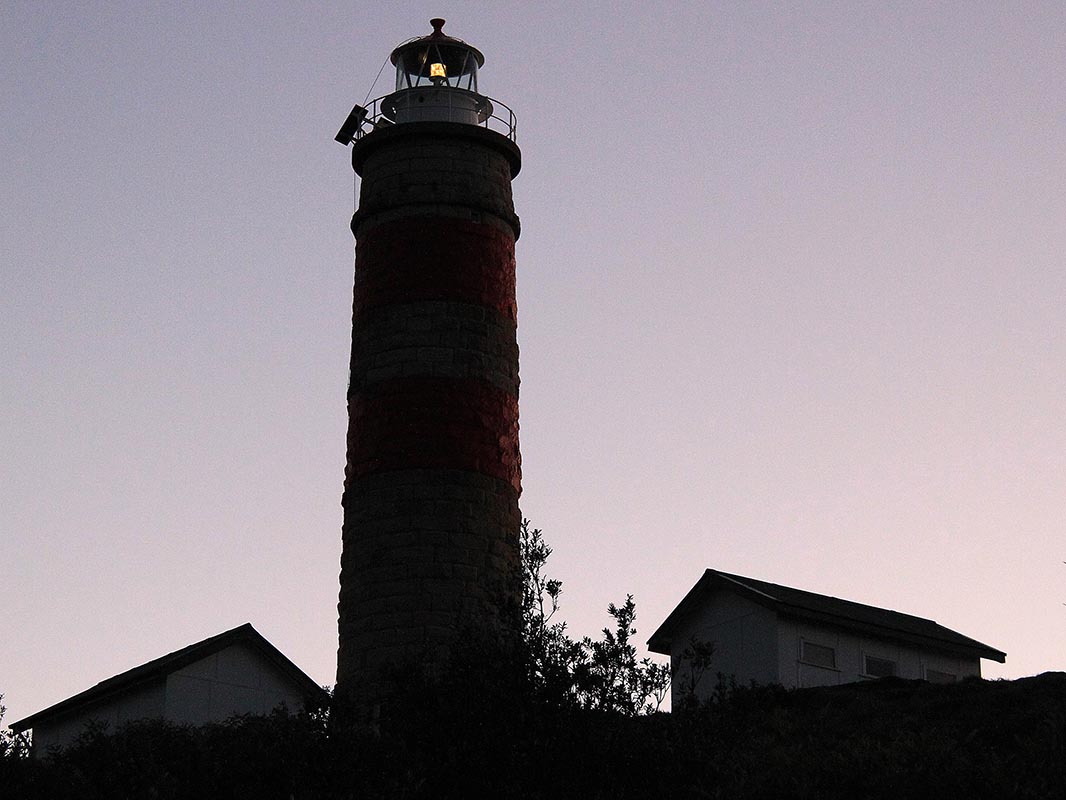
Image: Dirk Selderyk
© All images are copyright of their respective photographers and are not to be used without permission.
| Title | Address | Description |
|---|---|---|
Caloundra Lighthouses | 8/10 Canberra Terrace, Kings Beach QLD 4551, Australia | Caloundra Lighthouses |
Moreton Bay Pile Light | Curlew St, Port of Brisbane QLD 4178, Australia | Moreton Bay Pile Light |
Cape Moreton | Cape Track, Moreton Island QLD 4025, Australia | Cape Moreton |
Cleveland Point | 238 Shore St N, Cleveland QLD 4163, Australia | Cleveland Point |
Bulwer Island (Relocated) | 412A Stanley St, South Brisbane QLD 4101, Australia | Bulwer Island (Relocated) |
Carpentaria LV CLS2 | 30 Sidon St, South Brisbane QLD 4101, Australia | Carpentaria LV CLS2 |
Keepers
We need your help in compiling a list of keepers for this lighthouse. If you have any information then send it to keeper@lighthouses.org.au.
Please include this lighthouse’s name, the keepers full name and what years they were keepers. Also include the same information for any other lights they were on.
Technical Details
| First Exhibited | 1857 |
| Permanent Tower | |
| CurrentTower | Height increased 1928 |
| Architect | |
| Status | Active |
| Location | Lat: 27° 01.9091' S Long: 153° 27.9602' E |
| Original Optic | 1930 Optic replaced |
| Current Optic | Tideland NOVA 250 inside Lantern Room |
| Automated | |
| Demanned | |
| Construction | Sandstone tower, 2 red bands and cupola. Chance Bros. special size 7'1" Dia. lantern with curved lantern panes. |
| Height | 23 m |
| Elevation | 122 m |
| Range | Nominal: 15 nm Geographical: 27 nm |
| Character | Fl. W. (4) in 20 secs |
| Intensity | 11,330 cd |
| Light Source | 12V |
| Power Source | Solar Convn 8/12/93 |
| Operator | AMSA |
| Notes | As at July 2016 |
Access
The lighthouse grounds are open all year round. The tower is not open to the public.
Tours
Tours are available from Tangalooma Resort 
You must be logged in to post a comment.